
Common Appliance Problems in Belmont Homes
A dryer that takes two full cycles to dry a load in an older Belmont colonial usually isn't just worn out — it's often a vent line that runs too far through the basement before reaching the exterior wall. That kind of problem shows up across town, and it's one of many appliance issues shaped by the housing stock here.
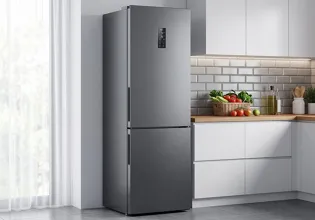
- Refrigerators stop cooling when condenser coils get clogged or the compressor relay fails. In a tight kitchen alcove, poor airflow behind the unit speeds that up.
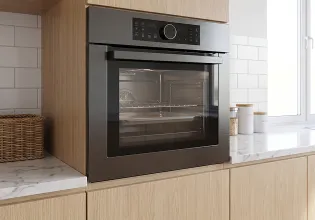
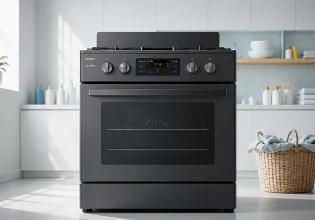
- Gas ovens and stoves that won't heat evenly — often the igniter is weakening, but in homes with older gas lines the supply valve itself is worth checking before assuming the worst.
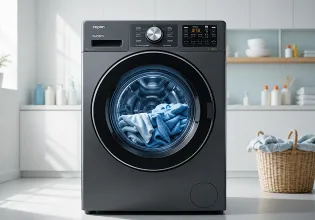
- Washers leaking onto a basement floor. We usually see this when hose connections have been sitting undisturbed for years and the rubber has cracked.
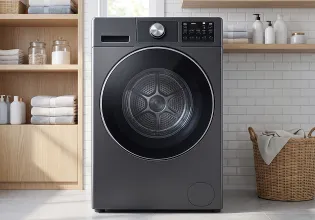
- Dryers not producing heat, which can be a burned-out element or a thermal fuse tripped by restricted airflow.
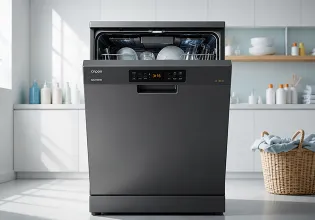
- Dishwashers that leave dishes dirty or won't drain completely. A clogged filter is the easy fix; a failing drain pump or kinked hose under the counter takes more work.
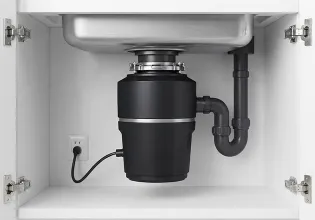
- Garbage disposals that jam or hum without spinning — sometimes a hard object is lodged in the flywheel, sometimes the motor capacitor has given out.
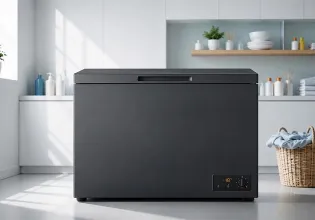
- Freezers building excess frost or warming above safe temperatures, especially standalone chest freezers tucked into unheated garages where temperature swings stress the thermostat.
Local Utility, Permit, Safety, and Disposal Factors in Belmont
If a repair turns into a replacement in Belmont, the permit question comes up fast. The town requires a gas permit for any gas appliance installation or replacement — stoves, ovens, gas dryers — and the installer has to pull that permit through Belmont Building and Inspectional Services before the work starts. Electrical permits apply when a new appliance needs a different circuit or a fresh connection, and plumbing permits cover dishwasher and garbage disposal installations that tie into the water supply or drain system. All of this work must be done by a licensed contractor under Massachusetts law. If someone offers to swap out your gas range without mentioning a permit, that's a red flag worth pausing on.
The state backs this up. Under the Massachusetts State Plumbing and Gas Fitting Code, every gas connection and plumbing tie-in must be handled by a licensed plumber or gas fitter. Violations can mean fines, permit denial, or having to rip out work that was just completed. Ask your installer to confirm the permit number before they leave.
Building and Inspectional Services
19 Moore Street
Belmont, MA 02478
Phone: (617) 993-2670
Official Website
Gas appliance safety is enforced locally by the Belmont Fire Department Fire Prevention office. Gas appliance work in Belmont requires a gas permit and inspection coordinated with fire prevention — so the fire department is involved even before you light that new stove for the first time. Dryer vent blockages are a leading cause of residential fires, and the department advises regular cleaning. If your dryer vent exhausts through a long run in the basement wall, lint builds up faster than you'd expect. Massachusetts law also requires carbon monoxide detectors in every residential unit that has a fossil-fuel-burning appliance, including gas stoves and ovens. Check yours after any gas appliance work — and check that the batteries aren't dead. The Massachusetts Comprehensive Fire Safety Code sets the dryer venting clearance and material standards that the Belmont Fire Department enforces locally.
Belmont's water comes through the MWRA water and sewer service system, sourced from the Quabbin and Wachusett reservoirs. Water pressure and supply quality from the MWRA network can affect how well dishwashers fill and drain, how washing machines handle rinse cycles, and whether refrigerator water lines develop slow leaks at the valve. The town's sewer system also connects to the MWRA regional wastewater network, which matters when a garbage disposal or dishwasher drain ties into older cast-iron pipes under the kitchen sink. If the drain backs up after running the disposal, the pipe itself may be partially blocked — not the appliance.
Belmont residents are also protected under Massachusetts Consumer Protection Law Chapter 93A, which prohibits unfair or deceptive practices in appliance repair. If a technician misrepresents what's wrong or inflates a bill, you can file a complaint with the Attorney General's office. The law allows double or triple damages for willful violations. That's worth knowing before you sign off on a repair estimate.
What Makes Appliance Repair in Belmont Different
Belmont sits just northwest of Boston, but it operates as its own town with its own inspectional services department, its own fire prevention office, and its own DPW — each with separate phone numbers and separate processes. When a gas stove needs replacing in Belmont Center, the installer pulls a gas permit through the town's Building and Inspectional Services at 19 Moore Street and coordinates the inspection with the fire prevention office. That's a different workflow than what happens in neighboring Cambridge or Watertown, where the permitting departments and inspection chains are structured differently.
The disposal side is just as specific. You cannot leave a dead refrigerator or washing machine at the curb on trash day in Belmont. Large appliances are not accepted in regular curbside collection — you have to schedule a special collection appointment with the DPW. Refrigerators and freezers containing refrigerants require proper handling under EPA rules before they can be picked up. Skipping that step isn't just inconvenient; it can result in a unit sitting on your property longer than you planned.
Appliance Replacement and Household Equipment Considerations in Belmont
When a repair no longer makes sense — the compressor is shot on a fifteen-year-old fridge, or the drum bearing on the washer costs more than a new machine — the next steps in Belmont involve more than just picking a model. Start with disposal: you'll need to contact the Belmont DPW to schedule a special collection appointment for the old unit. Large appliances like refrigerators, freezers, washers, dryers, and dishwashers are not accepted in regular curbside trash pickup. You can reach the DPW to arrange pickup or ask about drop-off options.
Department of Public Works
19 Moore Street
Belmont, MA 02478
Phone: (617) 993-2700
Official Website
On the installation side, think about what permits the new appliance triggers. Swapping a gas dryer for another gas dryer still requires a gas permit in Belmont. Replacing a dishwasher that connects to the water supply and drain means a plumbing permit. Switching from an electric range to gas? That's both a gas permit and potentially an electrical permit if the old circuit needs to be decommissioned. The installer handles the permit pull, but you should confirm it happened — ask for the permit number and keep it with your records. In older Belmont homes, the kitchen cabinets and countertops were often built around appliances that no longer match standard sizes. A replacement dishwasher that's half an inch wider than the old one may not slide in without trimming the cabinet opening. Worth measuring before the delivery truck shows up.
If you're in a condo or multifamily property, coordinate with the building owner or condo association before scheduling a replacement. Access through narrow stairways, shared laundry hookups, and shutoff valve locations that aren't clearly marked can all slow down an installation. Getting those details sorted before the technician arrives saves everyone time.
Areas We Serve Throughout Belmont
We handle appliance repair calls across Belmont's neighborhoods. Here's what we typically see in each area:
- Belmont Center — Older single-family homes near the commercial district often have original kitchen layouts with limited counter depth, which makes pulling out a built-in dishwasher or slide-in range a tight operation.
- Cushing Square — A mix of housing styles here, including some multifamily properties where basement laundry setups share a single drain line. When one washer backs up, it's worth checking whether the shared drain is the real problem.
- Waverley Square — Close to the Watertown line, homes in this area tend to have gas service, and we often see gas dryer and stove calls. Dryer vents in these houses sometimes run longer distances to reach an exterior wall.
- Payson Park — Larger lots and older homes with spacious kitchens, but the plumbing and electrical panels often date back decades. A new high-draw appliance like an induction range may need a panel upgrade before it can be connected.
- Wellington — Condos and smaller properties near the eastern edge of town. Access can be tight — narrow hallways and small kitchen footprints mean measuring clearances before scheduling a refrigerator or range delivery is a good idea.